Aluminosis in Barcelona: how to detect it and what to do
The high-alumina cement in many 1950s-70s buildings can lose strength. Learn to spot the symptoms and confirm the diagnosis.
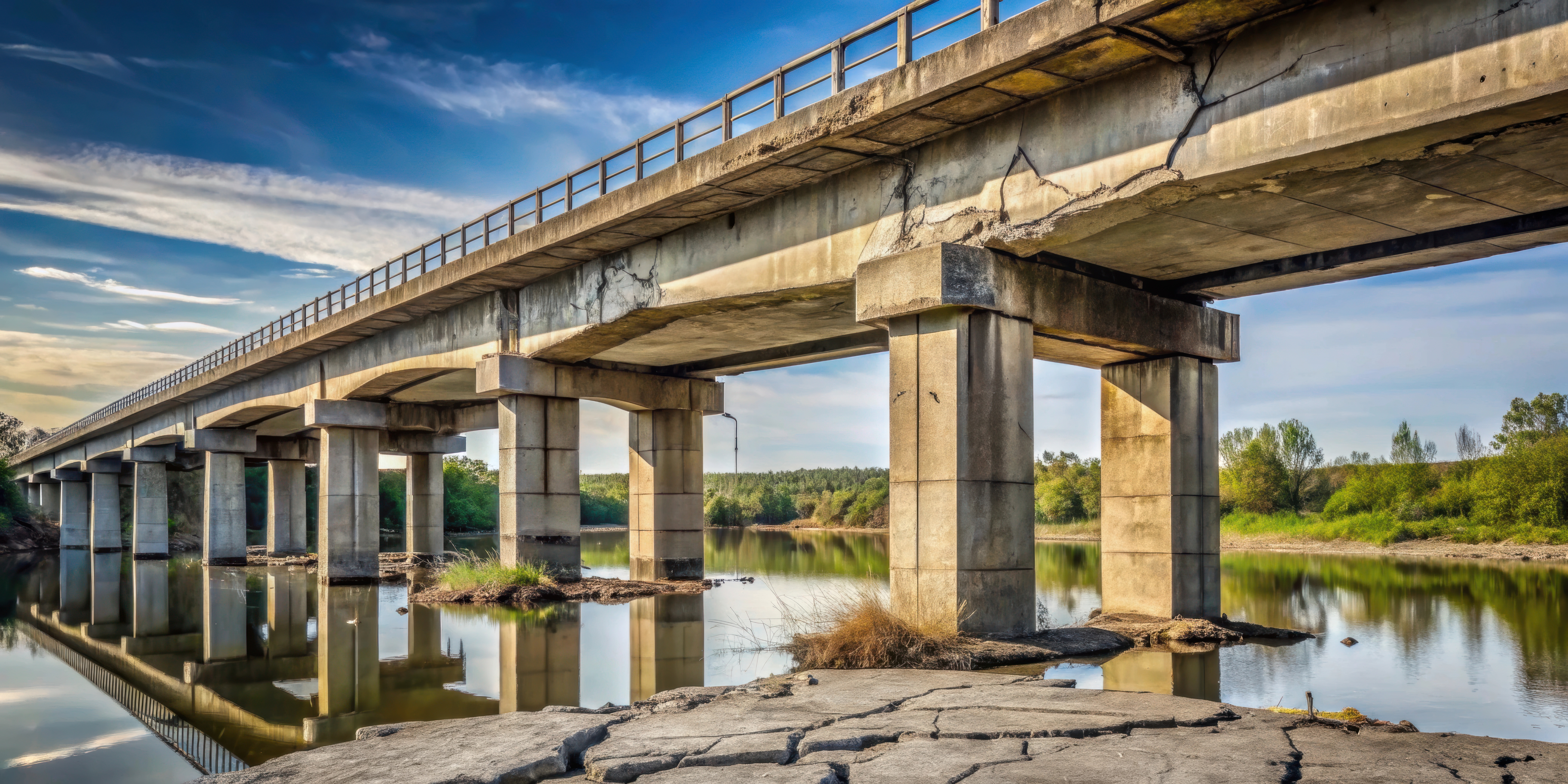
Diagnosing aluminosis requires a chemical test; visual inspection is not enough.
What aluminous cement decay (aluminosis) is and why it matters in Barcelona
Aluminosis is a pathology of concrete made with high-alumina cement, widely used in Spain between the 1950s and 1970s, especially in floor-slab joists of residential buildings. Over time, in the presence of heat and moisture, high-alumina cement undergoes a process called conversion: its internal structure changes, porosity increases and it loses strength. The result is more brittle concrete and reinforcement that is more exposed to corrosion.
Barcelona and its metropolitan area have a large stock of buildings from that period, so aluminosis is still a common enquiry, particularly after cracks or spalling appear in ceilings.
How it is detected
Aluminosis cannot be diagnosed by eye. Warning signs include:
- Longitudinal cracks on the underside of the joists.
- Rust stains or brown discolouration on the ceiling.
- Spalling of the concrete cover.
- Visible deflection or deformation of the slab.
Confirmation requires a chemical test: a concrete sample is taken and treated with the oxine reagent (8-hydroxyquinoline), which stains high-alumina cement yellow-green under ultraviolet light. From there, an expert assessment measures the degree of conversion and loss of section to evaluate the real load-bearing capacity.
Aluminosis is not the same as carbonation
A common confusion. Carbonation attacks the steel reinforcement through loss of concrete alkalinity; aluminosis attacks the concrete itself because of the cement type. A building may have one, the other or both. Telling them apart is essential, because the remedy and the liability differ.
What to do if you suspect aluminosis in your building
- Do not chip or load the affected area until it has been diagnosed.
- Request an expert report that confirms (or rules out) aluminosis and quantifies the structural risk.
- With the report, the owners' association can decide the right reinforcement: joist replacement, steel reinforcement or carbon-fibre strengthening.
A rigorous diagnosis prevents both unwarranted alarm and dangerous inaction. If you see cracks or spalling in an older building, our structural pathology report establishes the real extent and the measures required.
Unsure about your building's floor slab? Tell us about it and we will advise you with no obligation.